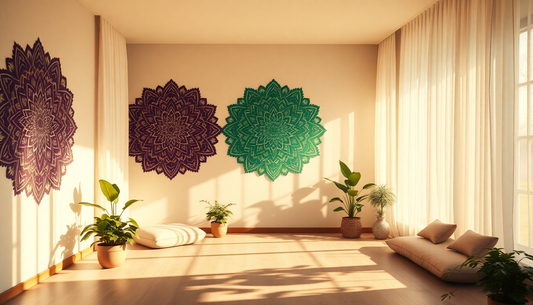
Elevate Your Space: Infusing Spiritual Serenity with Mandala Designs
In today's fast-paced world, creating a sanctuary within your home has become more important than ever. The spaces we inhabit directly influence our mental well-being, emotional balance, and spiritual growth. One of the most powerful ways to transform your environment into a haven of tranquility is through the incorporation of mandala designs. These ancient geometric patterns, rich with spiritual significance and aesthetic beauty, have the remarkable ability to elevate any space from ordinary to extraordinary. At GeraldMorales, we understand the profound impact that thoughtful design choices can have on your daily life, which is why we're dedicated to helping you infuse your space with spiritual serenity through the timeless art of mandala designs.
Understanding the Essence of Mandalas
The Historical and Spiritual Significance
Mandalas have captivated human consciousness for thousands of years, originating from Sanskrit, where the word literally means "circle" or "completion." These intricate geometric patterns have been central to spiritual practices across multiple cultures and religions, including Hinduism, Buddhism, and various indigenous traditions. The mandala represents the universe in its entirety, symbolizing wholeness, infinity, and the cyclical nature of existence.
In Buddhist traditions, mandalas serve as meditation tools and spiritual maps, guiding practitioners through the layers of consciousness toward enlightenment. Hindu mandalas, often called yantras, are used in meditation and ritual practices to focus the mind and channel spiritual energy. The symmetrical nature of these designs creates a sense of balance and harmony that resonates deeply with our innate desire for order and peace.
The psychological appeal of mandalas extends beyond their spiritual origins. Modern research has shown that the act of viewing or creating mandalas can reduce stress, lower blood pressure, and promote a meditative state of mind. The repetitive patterns and symmetrical designs naturally draw the eye toward the center, creating a focal point that quiets mental chatter and encourages introspection. This is why incorporating mandalas into your living space can have a transformative effect on your overall well-being.
The Psychology Behind Mandala Design
The human brain is naturally drawn to patterns and symmetry. Mandalas tap into this fundamental aspect of our psychology, creating visual harmony that our minds find deeply satisfying. When we observe a mandala, our brains enter a state of calm focus, similar to what occurs during meditation. This is not merely aesthetic appreciation; it's a neurological response to visual harmony.
The circular structure of mandalas also holds psychological significance. Circles represent completeness, unity, and protection. They have no beginning or end, symbolizing the eternal nature of existence and the interconnectedness of all things. When you surround yourself with mandala designs, you're essentially surrounding yourself with symbols of wholeness and infinite possibility.
Furthermore, mandalas often incorporate sacred geometry—mathematical patterns found throughout nature and the universe. These patterns, such as the golden ratio and the Flower of Life, resonate with our subconscious understanding of universal order. By incorporating these patterns into your space, you're aligning your environment with the fundamental principles that govern the cosmos.
The Transformative Power of Mandala Art in Your Home
Creating a Focal Point of Intention
One of the most effective ways to use mandala designs in your space is to create a focal point of intention. By placing a significant mandala artwork in a prominent location—such as above your bed, in your meditation corner, or in your living room—you establish a visual anchor for your spiritual practice and daily intentions.
This focal point serves multiple purposes. First, it draws the eye and creates a sense of visual balance in the room. Second, it serves as a constant reminder of your spiritual goals and values. Every time you glance at the mandala, you're reinforcing your commitment to living with intention and mindfulness. Third, it creates a natural gathering point for positive energy in your space, making it an ideal location for meditation, reflection, or meaningful conversations.
When selecting a mandala for your focal point, consider the colors, size, and style that resonate most deeply with you. Different colors carry different energetic frequencies. Blues and purples promote calm and spiritual awareness, greens encourage healing and growth, reds and oranges stimulate energy and passion, and golds and whites represent purity and enlightenment. Choose colors that align with your current needs and aspirations.
Layering Mandalas for Depth and Dimension
While a single statement mandala can be powerful, layering multiple mandala designs throughout your space creates a cohesive, immersive environment that continuously reinforces spiritual serenity. This doesn't mean overwhelming your space with clutter; rather, it's about thoughtfully integrating mandalas at different scales and in different mediums.
Consider combining a large mandala wall hanging with smaller mandala artwork, mandala-patterned textiles, and mandala-inspired decorative objects. You might place a mandala tapestry on one wall, hang mandala prints in a gallery arrangement, incorporate mandala-patterned throw pillows on your seating, and display mandala-designed candles or incense holders on shelves. This layered approach creates visual interest while maintaining a cohesive aesthetic.
The key to successful layering is maintaining balance and avoiding visual chaos. Choose a color palette that ties your mandala selections together, and ensure that each piece has adequate breathing room. The goal is to create an environment where mandala designs feel like a natural, integrated part of your décor rather than scattered decorations.
Mandala Designs in Different Rooms
Each room in your home serves a different purpose and requires a different energetic approach. Understanding how to apply mandala designs to specific spaces maximizes their transformative potential.
In your bedroom, mandalas promote restful sleep and peaceful dreams. Soft, cool-toned mandalas in blues, purples, and silvers create a calming atmosphere conducive to relaxation. A mandala tapestry above your bed or mandala-patterned bedding can transform your bedroom into a sanctuary of rest and rejuvenation.
In your meditation or yoga space, mandalas serve as focal points for practice. Larger, more intricate mandalas in vibrant colors can enhance your spiritual practice by providing a visual anchor for your attention. This space should feel sacred and intentional, with mandalas chosen specifically to support your spiritual goals.
In your living room or common areas, mandalas create a welcoming, harmonious atmosphere for family and guests. Medium-sized mandalas in warm, inviting colors can serve as conversation pieces while promoting a sense of unity and connection among those who gather in the space.
In your workspace or home office, mandalas enhance focus and creativity. Mandalas incorporating greens and golds can promote productivity and prosperity, while those with blues and purples support clear thinking and intuitive problem-solving.
In your bathroom, mandalas transform a utilitarian space into a spa-like retreat. Mandala-patterned shower curtains, bath mats, and wall art create a luxurious atmosphere that turns your daily hygiene routine into a mindful, rejuvenating ritual.
Selecting the Perfect Mandala Designs for Your Space
Understanding Color Psychology in Mandalas
Color is one of the most powerful tools in mandala design, and understanding color psychology is essential for selecting mandalas that will have the desired effect on your space and well-being.
Red mandalas stimulate energy, passion, and courage. They're ideal for spaces where you want to encourage action and vitality, such as home gyms or creative studios. However, use red sparingly in bedrooms or meditation spaces, as it can be overstimulating.
Orange mandalas promote enthusiasm, creativity, and social connection. They're excellent for living rooms, kitchens, and creative spaces. Orange creates a warm, welcoming atmosphere that encourages gathering and communication.
Yellow mandalas enhance mental clarity, optimism, and joy. They're perfect for home offices, kitchens, and any space where you want to promote positive thinking and mental focus. Yellow mandalas can brighten a space and lift your mood.
Green mandalas represent healing, growth, and renewal. They're ideal for bedrooms, bathrooms, and any space dedicated to self-care and wellness. Green creates a natural, calming atmosphere that promotes balance and harmony.
Blue mandalas promote calm, communication, and spiritual awareness. They're excellent for bedrooms, meditation spaces, and bathrooms. Blue mandalas create a serene atmosphere that encourages introspection and peaceful rest.
Purple mandalas enhance spiritual awareness, intuition, and transformation. They're perfect for meditation spaces, bedrooms, and any area dedicated to spiritual practice. Purple mandalas create a mystical, contemplative atmosphere.
Pink mandalas promote love, compassion, and emotional healing. They're ideal for bedrooms, living rooms, and any space where you want to cultivate feelings of warmth and connection.
White and silver mandalas represent purity, clarity, and enlightenment. They're versatile and work well in any space, particularly in minimalist or contemporary settings. White mandalas create a clean, peaceful atmosphere.
Gold mandalas symbolize prosperity, abundance, and divine connection. They're excellent for creating a luxurious, spiritually elevated atmosphere in any room.
Size and Scale Considerations
The size of your mandala artwork should be proportional to your space and the function it will serve. A large statement mandala can anchor a room and create a powerful focal point, but it requires adequate wall space and shouldn't overwhelm the room. Generally, a statement mandala should occupy about one-third of the wall space where it's placed.
Medium-sized mandalas work well in gallery arrangements or as secondary focal points. They can be grouped together to create visual interest without overwhelming the space. Small mandalas are perfect for shelves, nightstands, and other intimate spaces where they can be appreciated up close.
Consider the ceiling height and room dimensions when selecting mandala size. In rooms with high ceilings, larger mandalas work well and won't feel lost. In smaller rooms or those with lower ceilings, medium to small mandalas are more appropriate.
Material and Medium Selection
Mandalas come in various materials and mediums, each offering different aesthetic and energetic qualities.
Canvas prints offer a modern, gallery-like appearance and work well in contemporary spaces. They're durable and easy to maintain, making them ideal for high-traffic areas.
Tapestries provide texture and warmth to a space. They're versatile, can be hung on walls or used as room dividers, and often feature intricate details that reward close inspection. Tapestries create a bohemian, artistic atmosphere.
Wooden mandalas add natural warmth and organic beauty to a space. They're particularly effective in creating a grounded, earthy atmosphere and work well in rustic or natural-inspired décor.
Metal mandalas create a modern, sophisticated look. They often feature intricate cutwork that creates beautiful shadow patterns, adding an extra dimension to your space.
Stained glass mandalas are particularly magical, as they interact with natural light to create ever-changing patterns and colors throughout the day. They're ideal for windows or spaces where light can pass through them.
Ceramic and pottery mandalas add artisanal charm and can serve as functional pieces, such as decorative plates or bowls.
Textile mandalas, including throw pillows, blankets, and rugs, bring mandala designs into your everyday life in a tactile, comfortable way.
Incorporating Mandalas into Your Décor Style
Mandalas in Modern and Minimalist Spaces
Mandalas can be beautifully integrated into modern and minimalist interiors by focusing on clean lines, limited color palettes, and strategic placement. In minimalist spaces, a single large mandala in black, white, or a single accent color can serve as a powerful focal point without creating visual clutter.
Consider a large black mandala on a white wall, or a white mandala on a dark accent wall. This high-contrast approach creates visual impact while maintaining the clean aesthetic of minimalist design. Alternatively, a single mandala in a muted color, such as soft gray or taupe, can add visual interest without overwhelming the space.
In modern spaces, mandalas with geometric precision and contemporary color palettes work particularly well. Look for mandalas that incorporate clean lines and abstract elements alongside traditional mandala patterns. These hybrid designs bridge the gap between traditional spiritual art and contemporary aesthetics.
Mandalas in Bohemian and Eclectic Spaces
Bohemian and eclectic spaces are natural homes for mandala designs. The bohemian aesthetic celebrates global influences, artistic expression, and spiritual elements, making it the perfect backdrop for mandala art.
In bohemian spaces, layer multiple mandalas in rich, warm colors. Combine mandala tapestries with mandala throw pillows, mandala wall hangings, and mandala-patterned textiles. Mix different sizes, colors, and styles to create a visually rich, layered look. Pair mandalas with other global art, plants, and natural materials to create an eclectic, worldly atmosphere.
Bohemian spaces benefit from the abundance and variety that multiple mandalas provide. Don't be afraid to mix traditional mandalas with contemporary interpretations, or to combine mandalas with other spiritual and artistic elements.
Mandalas in Traditional and Cultural Spaces
If your home décor draws from specific cultural traditions, such as Indian, Tibetan, or Native American aesthetics, mandalas can be authentically integrated into your design.
In Indian-inspired spaces, traditional mandalas and yantras work beautifully alongside other elements of Indian design, such as brass accents, jewel tones, and ornate textiles. Consider combining mandalas with other sacred geometry patterns and traditional Indian artwork.
In Tibetan-inspired spaces, traditional Tibetan mandalas, often featuring intricate detail and symbolic imagery, can be displayed alongside other Tibetan art and spiritual objects. These mandalas often tell stories and contain layers of meaning that reward contemplation.
In spaces inspired by Native American traditions, mandalas that incorporate indigenous patterns and symbolism can create a respectful, authentic aesthetic. Ensure that you're sourcing these designs from artists within these communities and that you understand the cultural significance of the patterns you're displaying.
Mandalas in Contemporary and Artistic Spaces
Contemporary and artistic spaces provide an opportunity to showcase modern interpretations of mandala designs. Contemporary mandalas might feature abstract elements, unconventional color combinations, or mixed media approaches.
In artistic spaces, consider displaying mandalas alongside other contemporary art. Create a gallery wall that combines mandala prints with photography, abstract art, and other artistic expressions. This approach celebrates mandalas as legitimate art forms while creating a visually dynamic space.
Contemporary mandalas often push the boundaries of traditional design, incorporating elements like watercolor effects, digital art techniques, or mixed media. These modern interpretations appeal to those who appreciate mandala symbolism but prefer a more contemporary aesthetic.
The Spiritual Benefits of Mandala-Infused Spaces
Meditation and Mindfulness Enhancement
One of the most significant benefits of incorporating mandalas into your space is their ability to enhance meditation and mindfulness practices. The geometric precision and symmetrical nature of mandalas naturally draw the mind into a state of focused attention, making them ideal meditation focal points.
When you meditate with a mandala, your eyes naturally follow the patterns toward the center, creating a visual journey that mirrors the inward journey of meditation. This visual guidance can help quiet mental chatter and deepen your meditative state. Many practitioners find that meditating with a mandala as a focal point allows them to achieve deeper levels of concentration and insight more quickly than meditating without a visual anchor.
Beyond formal meditation, simply gazing at a mandala throughout your day can cultivate mindfulness. Taking a few moments to observe the intricate patterns, trace the geometric relationships, and appreciate the colors can bring you into the present moment and create a sense of calm awareness.
Energy Alignment and Chakra Balancing
In many spiritual traditions, mandalas are associated with chakras—the energy centers within the body. Different mandalas are designed to correspond with different chakras, and displaying these mandalas in your space can help align and balance your energy.
Root chakra mandalas, typically featuring reds and earth tones, promote grounding and stability. Sacral chakra mandalas in oranges and warm tones enhance creativity and emotional flow. Solar plexus mandalas in yellows and golds boost confidence and personal power. Heart chakra mandalas in greens and pinks promote love and compassion. Throat chakra mandalas in blues enhance communication and self-expression. Third eye mandalas in indigos and purples enhance intuition and spiritual awareness. Crown chakra mandalas in whites, golds, and violets connect you to higher consciousness and spiritual wisdom.
By displaying mandalas that correspond to the chakras you wish to balance or enhance, you create an energetic environment that supports your spiritual development and well-being.
Creating Sacred Space and Spiritual Sanctuary
Your home is more than just a physical structure; it's a reflection of your inner world and a sanctuary for your spiritual practice. By incorporating mandalas throughout your space, you create an environment that honors your spiritual path and supports your growth.
A mandala-infused space becomes a sacred sanctuary where you can retreat from the chaos of the external world and reconnect with your inner peace. This sacred space serves as a refuge where you can meditate, reflect, and nurture your spiritual practice. The presence of mandalas reminds you that your home is not just a place to sleep and eat, but a temple for your spiritual journey.
Creating sacred space doesn't require elaborate rituals or expensive materials. Simply by thoughtfully incorporating mandalas and setting an intention for your space, you transform